Everyone wants a lower CPL. Most attempts to get one make it worse because they start with bidding when the actual leaks are tracking, keyword hygiene and landing page conversion rate. This is the order that consistently works.
1. Fix conversion tracking
Smart Bidding optimizes toward whatever it thinks a conversion is. If your tracking counts every page view, form focus and thank-you refresh, CPL is a fantasy. Audit conversions, remove duplicates, enable enhanced conversions and align GA4 with Google Ads. Half the accounts we audit see CPL 'drop' 20–40% just from cleaning this up.
2. Add negative keywords aggressively
Pull the 90-day search terms report. Anything with meaningful spend and no conversion — add as negative. Anything obviously wrong intent (jobs, DIY, cheap, free) — add as negative. Do this weekly. Negatives are the highest-leverage 30 minutes in any account.
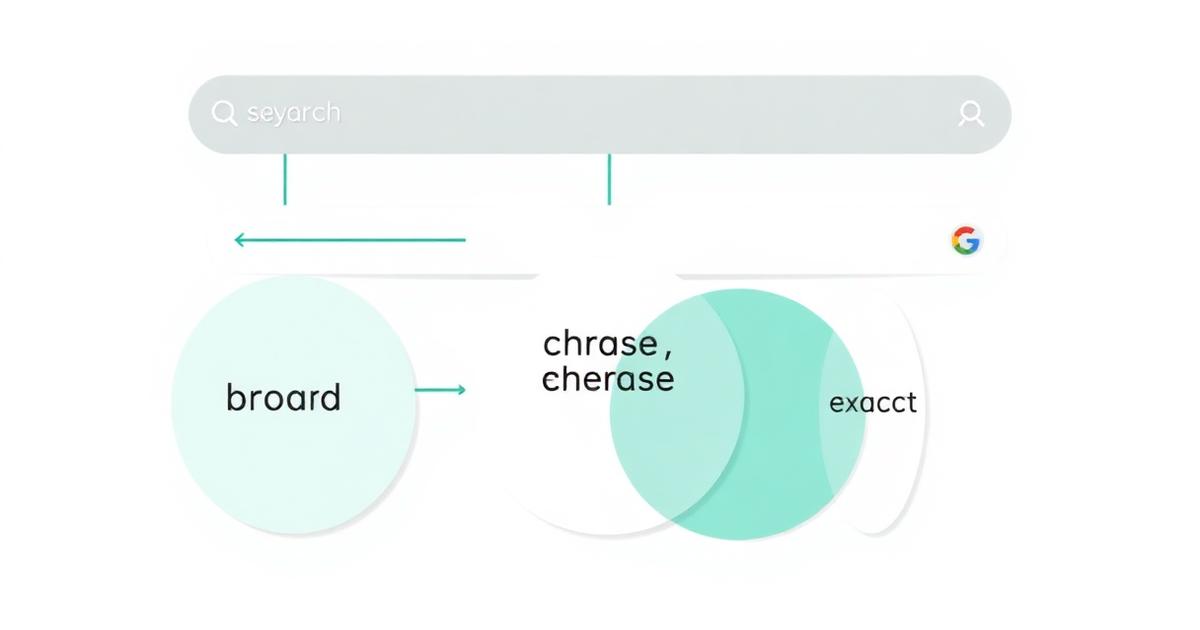
3. Tighten match types
Broad match without strong conversion data and tCPA bidding is a budget furnace. Move underperforming broad keywords to phrase or exact until Smart Bidding has enough data to broaden again. Keep broad only where you can measure and it's converting.
4. Cut the bottom third
Most accounts have a long tail of campaigns and ad groups that spend a little and convert less. Pause anything that hasn't produced a conversion in 60 days with meaningful spend and consolidate the budget into what's working. Fewer, healthier campaigns almost always beat sprawling ones.
5. Improve landing page CVR
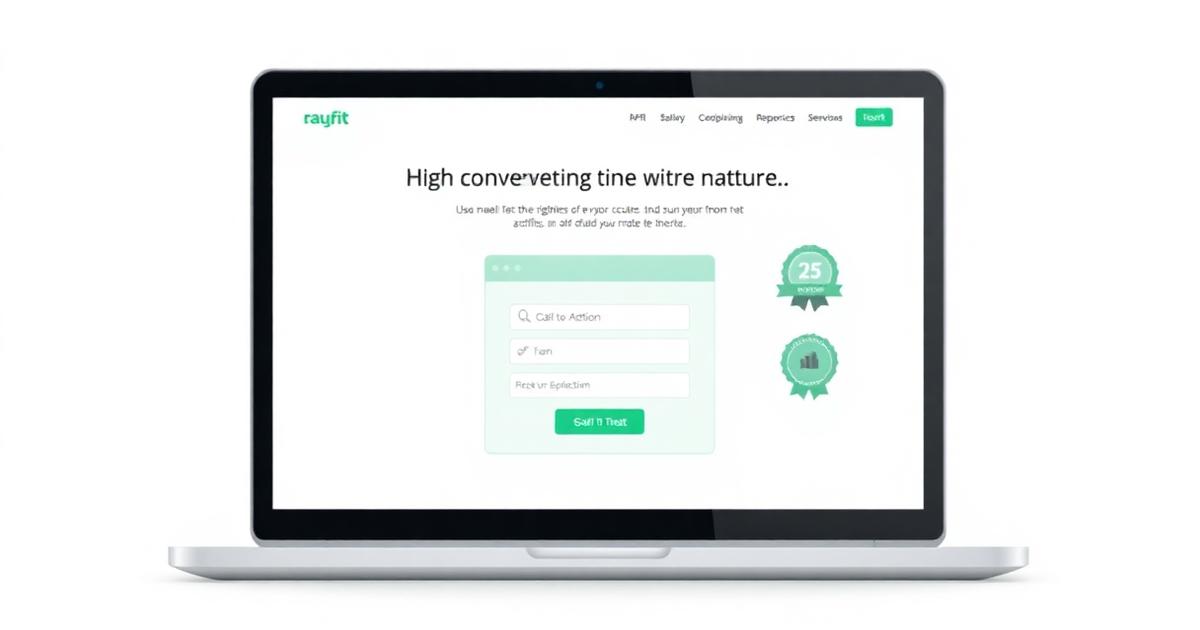
You pay per click; you profit per conversion. Doubling landing page conversion rate halves CPL — no bid change required. Focus on message match, above-fold clarity, form simplicity, mobile speed and social proof.
6. Then, and only then, change bid strategy
Once tracking, keywords and landing pages are healthy, revisit bidding. Move from Max Conversions to Target CPA once you clear 30 conversions in 30 days; test tROAS if you have revenue values. Bid strategy amplifies whatever the account fundamentals are — good or bad.
Get a free CPL audit
Book a strategy call and we'll walk your account through this exact checklist — you leave with a prioritized list of fixes, whether you hire us or not.
Explore next
Learn more about how NexGrowthPPC delivers results — see our Google Ads and PPC services, read what clients say about our work, or learn more about our team.
Frequently asked questions
How much can I realistically reduce CPL?
Most accounts see 20–40% CPL reduction in the first 90 days once tracking, negatives and landing pages are cleaned up. Beyond that, further gains usually come from creative and offer testing.
Does lowering CPC always lower CPL?
No — often the opposite. Cheap clicks are cheap for a reason. Focus on conversion rate and quality first; cost per click will move naturally as quality score improves.
Should I lower bids to lower CPL?
Rarely. Lower bids usually lose the best-position impressions where CVR is highest, which raises CPL. Fix tracking and CVR before touching bids.
How often should I add negative keywords?
Weekly for active accounts. Search intent shifts constantly, and Google broadens matches aggressively — a monthly cadence is usually not tight enough.
Does landing page speed affect CPL?
Yes, meaningfully. Every extra second on mobile can drop CVR by 5–10%. Under-3-second load times are the target — Google's PageSpeed Insights is a good starting benchmark.
Book a free Google Ads audit with NexGrowthPPC
We'll review your account against the checklist in this article and show you the fastest CPL wins — no obligation, no cost.