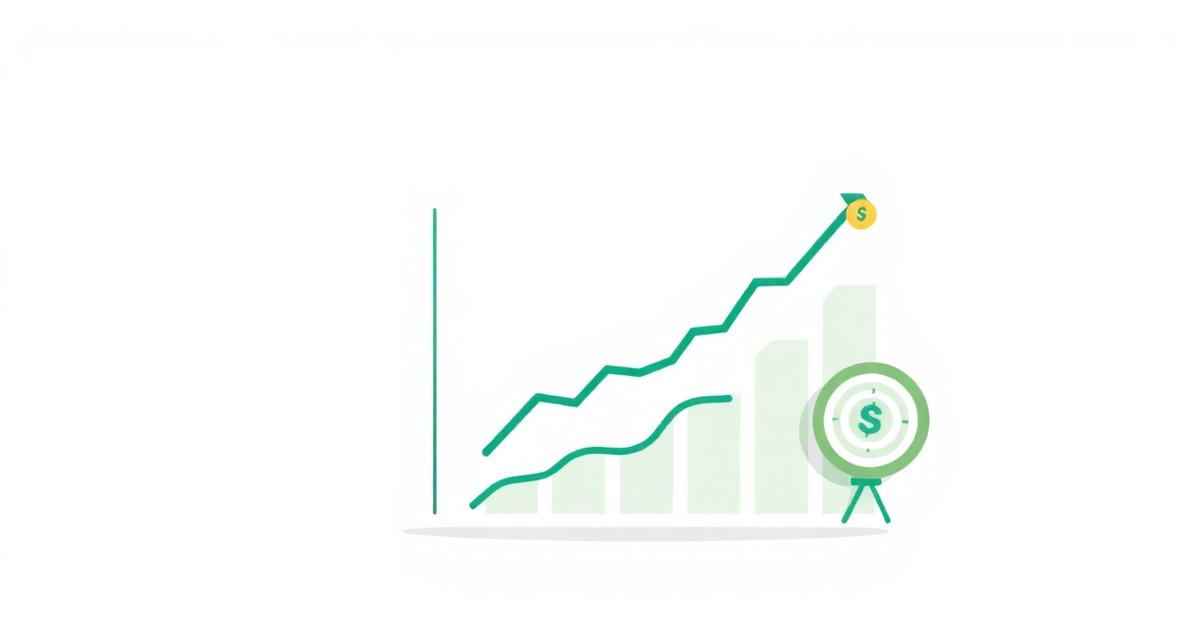
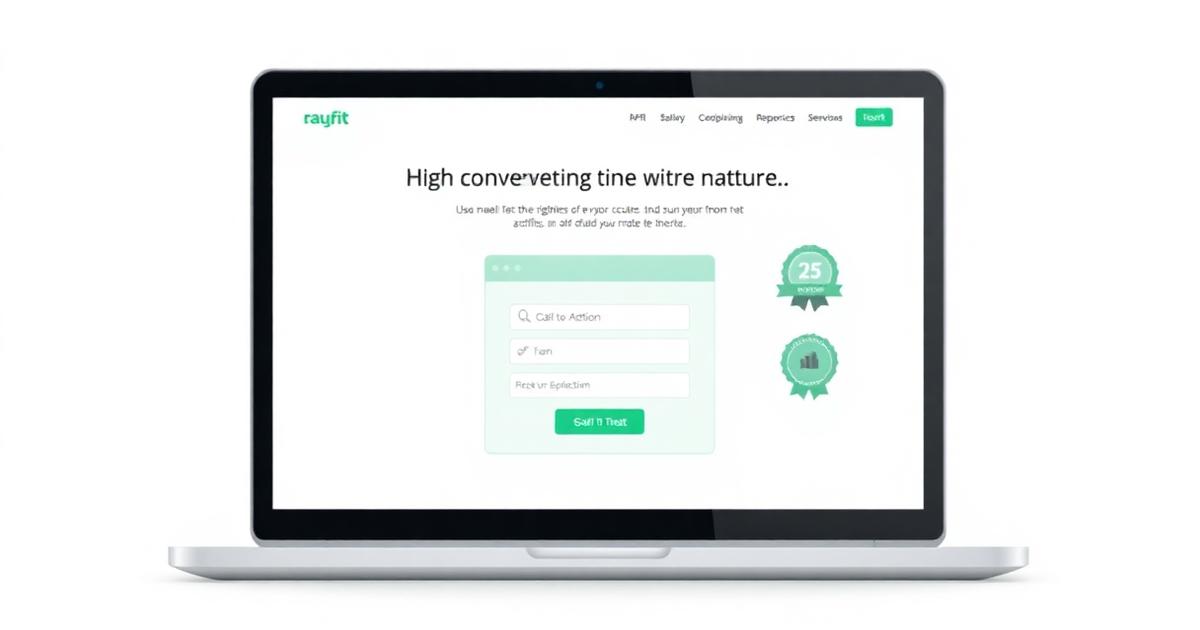
Doubling landing page conversion rate halves cost per lead — no bid change required. That's why landing page work is usually the highest-ROI optimization in any Google Ads program. Here's what actually moves CVR, from a decade of PPC teardown notes.
1. Message match
The headline on the landing page should mirror the exact promise in the ad. If your ad says 'Same-Day AC Repair in Austin,' the page headline should say the same thing — not 'Welcome to Acme HVAC.' Mismatched messaging is the single most common reason a well-targeted ad still converts poorly.
2. One offer, one action
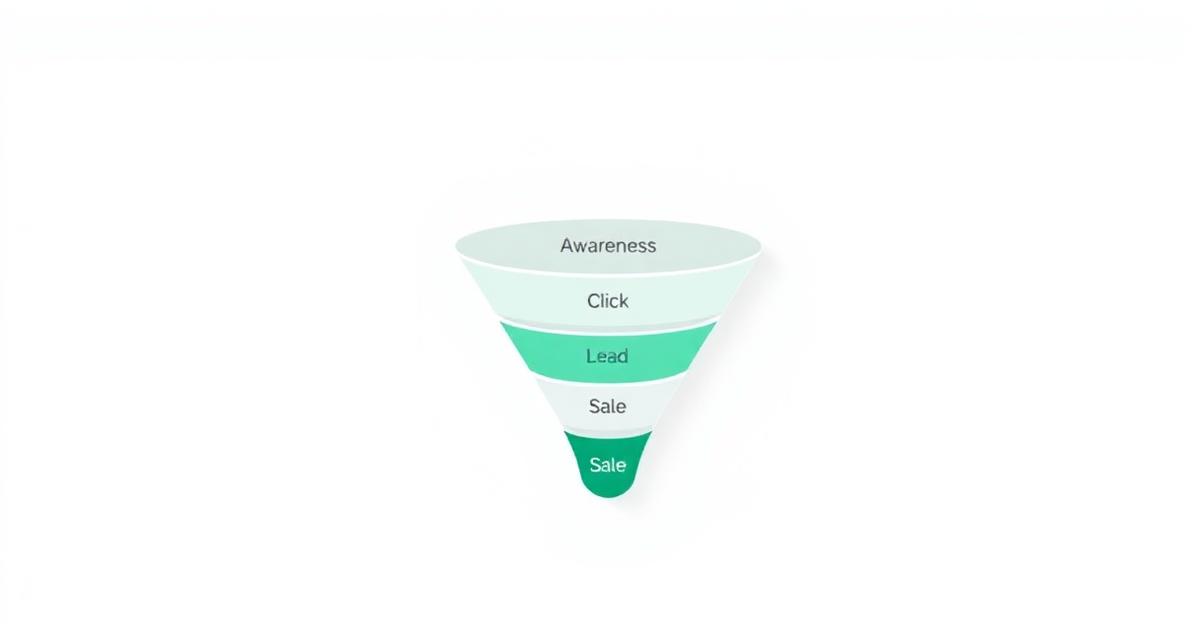
The homepage sells the company; the landing page sells one specific thing. Strip navigation, competing links and side offers. The only decisions on the page should be 'call now' or 'submit form.'
3. Mobile speed
- Under 3 seconds to Largest Contentful Paint on 4G.
- Compressed hero images, no autoplay video above the fold.
- Sticky click-to-call on mobile.
- Font sizes 16px+ so nothing requires zooming.
4. Short forms
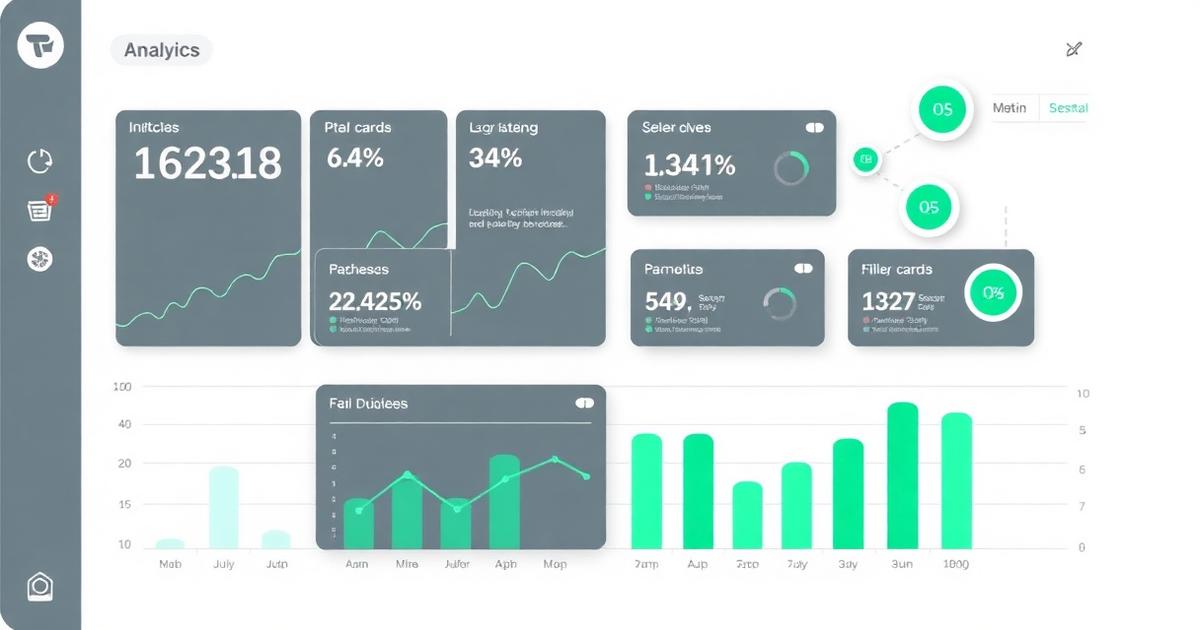
Every form field costs you conversions. First name, phone, and one qualifying detail is usually all you need for a lead-gen form. Ask for the rest on the follow-up call or in a second step. Multi-step forms often outperform long single forms because they feel shorter.
5. Real social proof
Three specific reviews with first name and location beat 50 anonymous 5-star badges. Case study numbers with context ('cut CPL 47% in 90 days for a Denver HVAC contractor') outperform generic claims. Fake-looking testimonials actively lower CVR.
6. Trust signals above the fold
- License numbers and insurance badges for regulated verticals.
- Google Reviews rating and count, linked to the real profile.
- Manufacturer certifications where relevant (Trane, GAF, Google Partner).
- 'Since [year]' if you have real longevity.
7. Testing discipline
Test one thing at a time — headline, hero image, form length, offer — and wait for statistical significance before calling a winner. Rapid-fire changes give you noise, not learning. Even a small business account can typically run 6–8 clean tests a year, which is plenty to double CVR.
What we build for clients
For NexGrowthPPC clients, we either optimize existing pages or build dedicated PPC landing pages engineered for CVR from day one. Book a strategy call and we'll show you the quickest wins on your current page.
Explore next
Learn more about how NexGrowthPPC delivers results — see our Google Ads and PPC services, read what clients say about our work, or learn more about our team.
Frequently asked questions
What is a good conversion rate for a PPC landing page?
For lead-gen: 8–15% is solid, 15%+ is excellent. Ecommerce PPC pages typically run 2–5%. Anything under 3% for lead-gen usually indicates a fixable issue with message match, form length or speed.
Should I use my homepage as a Google Ads landing page?
Almost never. Homepages are built for many audiences with many goals — landing pages are built for one audience, one goal. Dedicated pages typically convert 2–3x better.
How many form fields is too many?
For most lead-gen, more than 4 fields starts hurting CVR meaningfully. If you need more data, break the form into two steps — perceived length matters more than actual length.
How much does landing page speed affect PPC results?
Every extra second on mobile drops CVR by 5–10% and hurts your Google Ads Quality Score, which raises CPC. Under 3-second load is the practical target.
Should I A/B test my PPC landing pages?
Yes, one change at a time. Test headlines, offers and form length first — those move the biggest numbers. Wait for at least 100 conversions per variant before calling a winner.
Book a free Google Ads audit with NexGrowthPPC
We'll review your account against the checklist in this article and show you the fastest CPL wins — no obligation, no cost.