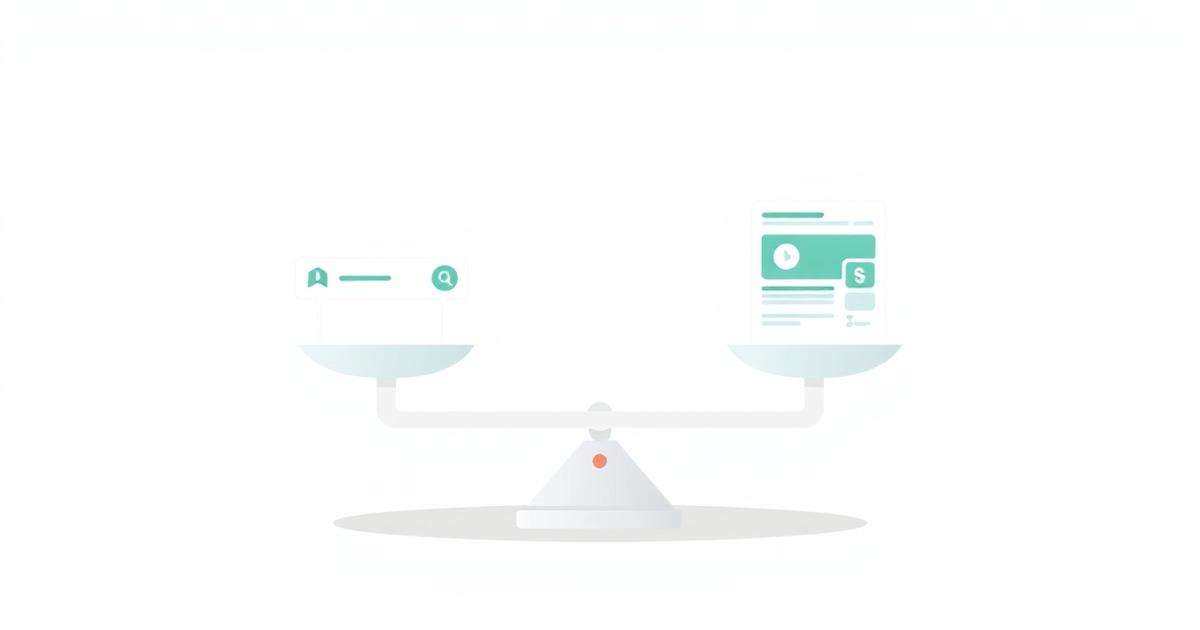
The Google Ads vs Facebook Ads question isn't really a versus. It's a sequencing question: which channel produces predictable ROI faster given your offer, margin and creative capacity?
The fundamental difference
Google Ads is intent-driven. Someone types 'emergency plumber near me' — you show up, they call. The buyer has already decided they need the thing; you're just the one they find. Facebook Ads is interruption-driven. You show a compelling offer to a targeted audience that wasn't looking for you. You have to create the desire before you capture it.
That's why Google Ads produces leads faster for known needs (services, B2B, medical) and Facebook wins for discovery-led products (ecommerce, coaching, local dining, courses).
Targeting
- Google: intent-based (keywords), location, device, some audience layers.
- Facebook: interest, behavior, lookalike, custom audiences from your customer list — much richer if the offer benefits from persona targeting.
Creative demands
Google Ads leans heavily on text, keyword coverage and ad extensions. Creative production is manageable. Facebook lives or dies on creative — you need fresh video and image ads every few weeks, and the winning creative rarely comes from the first batch. A business without capacity for regular creative testing will struggle on Facebook.
Cost and CPL
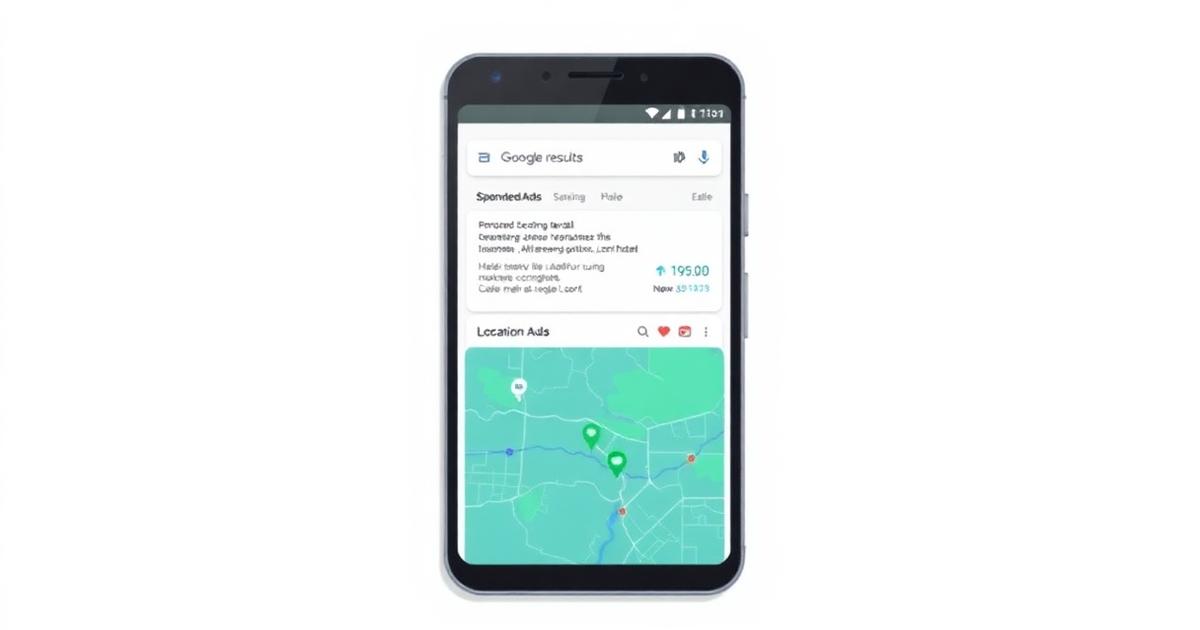
Click costs are usually 3–10x higher on Google than Facebook, but CVR is usually higher too because intent is stronger. Blended CPL is often similar; the difference is in lead quality — Google leads tend to be closer to buying, Facebook leads need more nurturing.
Attribution and measurement
Google Ads reports are relatively reliable because clicks are trackable end-to-end. Facebook post-iOS 14 lost a lot of granular attribution — CVR looks worse than reality, and you now need offline conversion imports and modeled conversions to see the true picture.
When to start with Google
- Service business with immediate need (plumbing, legal, medical, HVAC).
- B2B lead-gen with defined search demand.
- Ecommerce with branded search or well-known category demand.
- Small creative capacity — text ads work.
When to start with Facebook / Meta
- Ecommerce with visual, discovery-led products.
- Info products, courses, coaching.
- Local businesses with strong brand imagery (restaurants, gyms, med spas).
- You already have great short-form video and creative in-house.
The real answer: both, sequenced
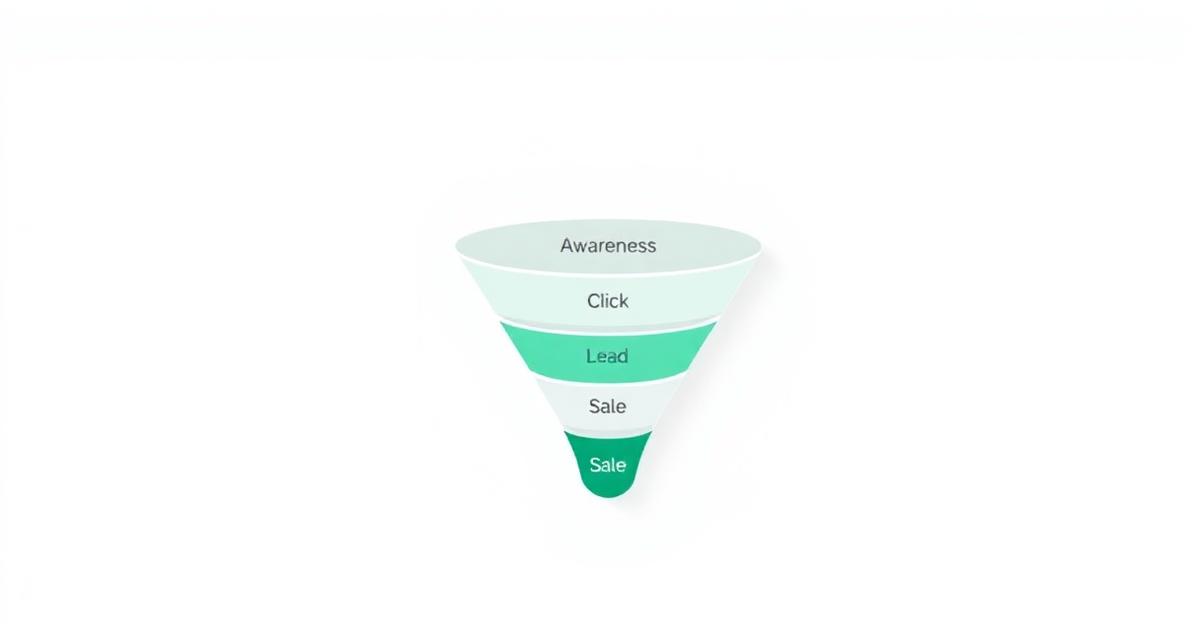
Start with the one that matches your offer's stage. Prove ROI. Then layer the second channel to expand demand — Google captures the intent Facebook created, Facebook retargets the browsers Google sent. Together they cost less per customer than either alone at scale.
Explore next
Learn more about how NexGrowthPPC delivers results — see our Google Ads and PPC services, read what clients say about our work, or learn more about our team.
Frequently asked questions
Is Google Ads or Facebook Ads cheaper?
Cost per click is usually 3–10x lower on Facebook, but Google's conversion rates are higher because intent is stronger. Blended CPL is often similar — the difference is lead quality and buying stage.
Which is better for small businesses?
Google Ads for service businesses with defined search demand. Facebook for visual, discovery-led products. Most small businesses should start with one, prove ROI, then add the other.
Do I need Facebook Ads if Google is working?
Not immediately. But once Google Ads is scaled and CPL is stable, Facebook can extend demand into new audiences and lower blended CPL through retargeting and lookalikes.
Why are my Facebook Ads results not what the reports show?
Post-iOS 14 attribution restrictions mean Facebook's in-platform reports typically underreport conversions by 15–35%. Use offline conversion imports, GA4 and blended reporting to see the real picture.
Can I run the same creative on Google and Facebook?
Some assets translate (images, video), but not the copy. Google ads are search-triggered and lean on keywords; Facebook ads are interruption-triggered and lean on hooks and pattern-breaks. Write for each platform's native format.
Book a free Google Ads audit with NexGrowthPPC
We'll review your account against the checklist in this article and show you the fastest CPL wins — no obligation, no cost.